contact history woodies native plants and seeds perennials stewardship catalog contact
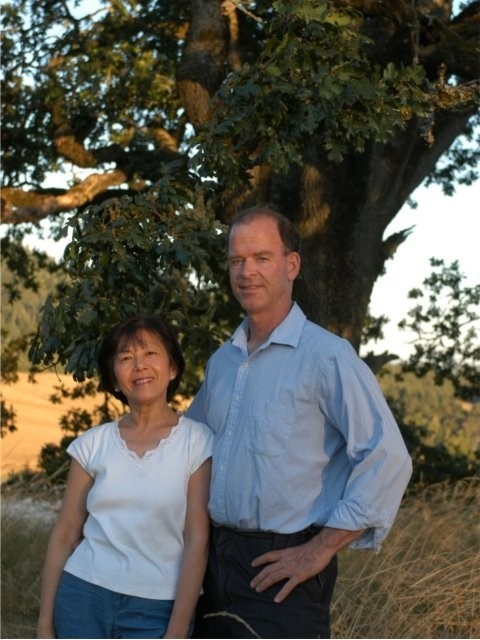
"What is our dream?... We want to demonstrate that it's not difficult to accomplish extraordinary restoration results in comparatively few years, document the steps and timing, and induce other growers to follow our example. Our guiding sense is that most private landowners care deeply for their property in areas of soil conservation, water quality enhancement, wildlife habitat, productive farm capacity, and open space preservation. Government can facilitate this; we can demonstrate effective government/private working relationships. We must learn from each other."
Mark and Jolly Krautmann
Co-Owners
Heritage Seedlings, Inc.

leftImage

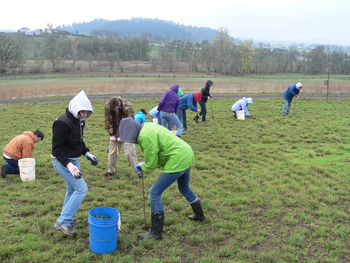
Four years ago we hired a professional botanist to facilitate restoration of riparian and prairie habitat on two farms. Since then the projects have grown to encompass more than 200 acres of prairie, oak, and riparian habitat. These restoration projects are in partnership with a variety of State and Federal agencies as well as non-profit and volunteer groups. Early on, we recognized our need and the need of others doing similar work to have a reliable supply of a wide-range of source-identified native Willamette Valley seed and plants. Since 2001, we have propagated over 100 species of native grasses, sedges, rushes and wildflowers. In addition, we are propagating, under permit, seven threatened and endangered plant species for reintroduction to our restoration sites and for sale to government agencies and non-profits.

Over 95% of the Willamette Valley is in private ownership. As evidenced by our own restoration efforts, the key to restoring these habitats within the valley is to forge partnerships with a variety of stake holders. There are two very important publications that help guide landowners hoping to restore these important habitats:
Restoring Rare Native Habitats in the Willamette Valley by Bruce H. Campbell http://www.biodiversitypartners.org/pubs/and
A Landowner's Guide for Restoring and Managing Oregon White Oak Habitats by David Vesely and Gabe Tucker. http://www.oregonoaks.org/landquide.shtml.


"We abuse land because we regard it as a commodity belonging to us. When we see land as a commodity to which we belong, we may begin to use it with love and respect."
Aldo Leopold

leftImage

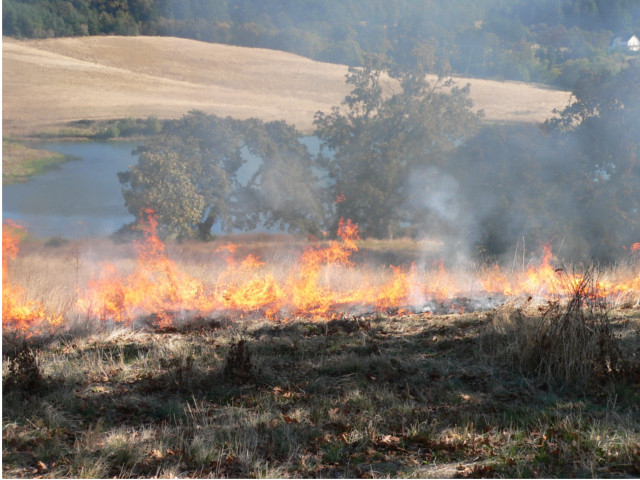
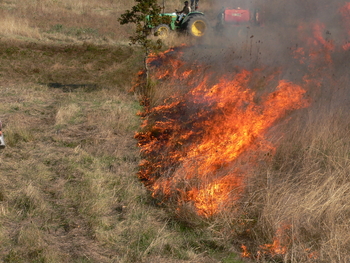
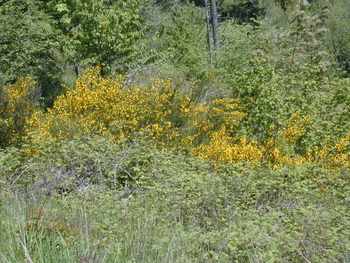
Many native grasses and wildflower species are slow to establish from seed. Proper site preparation is imperative for successful restoration using native seed or plants. The factor most limiting the success of native seed establishment and plant persistence is competition from exotic weeds. Restoration professionals use a variety of methods to reduce the amount of weeds and weed seed present on a site before native seed introduction. These methods include: tilling, burning, mowing, soil solarization, and various herbicide treatments. Whatever methods are implemented, it is important to note that soil disturbance following site preparation will bring new weed seeds to the surface. This diminishes the success of any seeding or planting efforts.

Our staff biologist, Lynda Boyer, has prepared a document "Native Willamette Valley Oak Habitat and Prairie Restoration Site-Preparation and Seeding Information" that contains information obtained during our own restoration journey as well as a list of restoration resources provided by others. If you would like a copy, please click here or you may request it from us at sales@heritageseedlings.com.

rightImage

  To view reports of our oak savanna restoration work at the Jefferson Farm, please click here for 2007 and click here for 2008
  Click the links below to view pictures of our restoration work:


contact history woodies native plants and seeds perennials stewardship catalog contact

© 2007 - Heritage Seedlings, Inc.
Web Site Design Provided by Flying-Cloud Internet Services, Inc.